Authentic Korean Cuisine on Heated Stone Plates
Updated: May 7
Korean cuisine is a vibrant tapestry of flavors, textures, and traditions. One of the most unique and delightful ways to experience this culinary art is through dishes served on heated stone plates, known as dolsot. This method not only enhances the flavors of the food but also adds an element of theatricality to the dining experience. In this blog post, we will explore the origins, benefits, and popular dishes of Korean cuisine served on heated stone plates, along with tips for enjoying this delightful experience.

The Origins of Dolsot Cooking
The tradition of cooking on heated stone plates dates back centuries in Korea. The word "dolsot" translates to "stone pot," and it is believed that this method originated from the need to cook food evenly and retain heat. The use of stone pots allows for a unique cooking experience, as the heat is distributed evenly, ensuring that every ingredient is cooked to perfection.
Historically, dolsot cooking was used in rural areas where access to modern cooking appliances was limited. The stones were heated over an open flame, and once they reached the desired temperature, food was placed inside. This method not only cooked the food but also infused it with a distinct flavor that is hard to replicate with other cooking methods.
Benefits of Cooking on Heated Stone Plates
Cooking on heated stone plates offers several advantages that enhance both the flavor and the dining experience:
Even Cooking: The stone retains heat, allowing for even cooking of all ingredients. This is particularly important for dishes like bibimbap, where rice and vegetables need to be cooked uniformly.
Flavor Enhancement: The high heat from the stone caramelizes the ingredients, enhancing their natural flavors. This results in a deliciously crispy texture, especially for the rice at the bottom of the pot.
Long-Lasting Warmth: Dishes served in dolsot stay hot for an extended period, allowing diners to enjoy their meal at the perfect temperature.
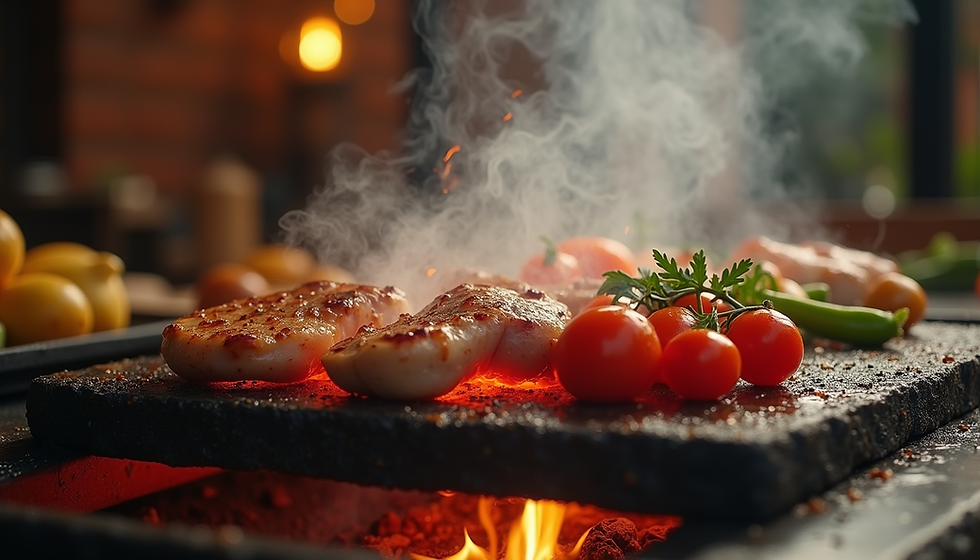
Interactive Dining Experience: The sizzling sound and aromatic steam that wafts from the stone plate create an engaging dining atmosphere. Diners can watch as their food cooks right in front of them.
Health Benefits: Cooking on stone plates often requires less oil compared to other methods, making it a healthier option for those looking to enjoy flavorful meals without excess fat.
Popular Dishes Served on Heated Stone Plates
Dolsot Bibimbap
One of the most famous dishes served in a dolsot is bibimbap. This colorful dish consists of a mix of rice, vegetables, meat (often beef), and a fried egg, all topped with gochujang (Korean chili paste). The ingredients are arranged beautifully in the stone pot, and as they cook, the rice at the bottom becomes crispy, creating a delightful contrast in texture.
To enjoy dolsot bibimbap, mix all the ingredients together before eating. The heat from the stone will continue to cook the egg and meld the flavors together, resulting in a deliciously satisfying meal.
Dolsot Jjigae
Another popular dish is dolsot jjigae, a hearty Korean stew served in a stone pot. This dish typically includes tofu, vegetables, and a choice of protein, such as beef or seafood, all simmered in a flavorful broth. The stone pot keeps the stew hot, allowing the flavors to develop as you enjoy each spoonful.
Dolsot Galbi
Dolsot galbi features marinated beef short ribs cooked to perfection on a heated stone plate. The high heat caramelizes the marinade, creating a delicious crust while keeping the meat tender and juicy. This dish is often served with a side of rice and various banchan (side dishes), making for a complete and satisfying meal.
Tips for Enjoying Dolsot Cuisine
To make the most of your dolsot dining experience, consider the following tips:
Be Patient: Allow the food to cook for a few minutes before digging in. This will ensure that everything is heated through and the flavors meld together.
Mix Well: For dishes like bibimbap, be sure to mix all the ingredients thoroughly before eating. This helps distribute the flavors and ensures every bite is delicious.
Watch the Heat: Stone plates retain heat well, so be cautious when handling them. Use a cloth or oven mitt to avoid burns.
Pair with Traditional Sides: Enhance your meal with traditional Korean side dishes, such as kimchi, pickled vegetables, and seasoned seaweed. These add depth and variety to your dining experience.
The Cultural Significance of Dolsot Cooking
Dolsot cooking is not just about the food; it is also deeply rooted in Korean culture. Sharing a meal served on heated stone plates fosters a sense of community and togetherness. Families and friends gather around the table, enjoying the sizzling sounds and aromatic scents that fill the air.
In Korea, meals are often seen as a time to connect with loved ones. The act of cooking and sharing food from a dolsot encourages conversation and bonding, making it a cherished tradition.
Conclusion
Authentic Korean cuisine served on heated stone plates offers a unique and flavorful dining experience that is both delicious and culturally significant. From the sizzling sounds of dolsot bibimbap to the hearty warmth of dolsot jjigae, these dishes showcase the rich culinary heritage of Korea.
As you explore the world of dolsot cooking, remember to savor each bite and enjoy the communal aspect of sharing a meal. Whether you're dining at a restaurant or trying your hand at making dolsot dishes at home, the experience is sure to be memorable.
So gather your friends and family, and embark on a culinary adventure that celebrates the flavors and traditions of Korean cuisine.
Comments